UK Sports Fans Show Strong Interest in 2026 FIFA World Cup as Betting Patterns Shift Toward In-Play Markets
Ines Walter · Jun 12, 2026

UK Sports Fans Show Strong Interest in 2026 FIFA World Cup as Betting Patterns Shift Toward In-Play Markets
Interest among UK sports fans in the 2026 FIFA World Cup runs high, with many expressing clear intent to follow the tournament when it kicks off in June 2026, and data points to a noticeable move away from traditional match outcomes toward in-play and proposition betting options. Observers note that this shift coincides with ongoing discussions about how betting operators promote related casino products, while spending patterns among UK gamblers remain concentrated among a smaller group of participants.
High Engagement Expected for the 2026 Tournament
Figures from recent surveys indicate that a substantial portion of UK adults plan to track matches closely once the expanded 48-team format begins across North America, and this level of anticipated viewership aligns with broader trends in sports consumption. Researchers tracking fan behavior have documented consistent patterns where major international events draw elevated attention, particularly when national teams feature prominently, and the 2026 edition appears positioned to follow that trajectory given the increased number of participating sides. Data shows that intent to watch correlates strongly with prior engagement in football, though casual viewers also contribute to overall audience projections.
Betting Market Preferences Move Toward Live and Proposition Options
Alongside viewing intentions, betting activity demonstrates a clear pivot, with in-play wagering and proposition markets gaining ground over conventional pre-match outcome bets. Industry reports highlight that proposition bets, which focus on specific in-game events such as player performances or set-piece outcomes, now account for a growing share of activity during live events. This transition reflects technological developments that allow real-time odds adjustments and mobile access, enabling participants to place wagers as matches unfold rather than committing solely to final results. Studies of transaction data reveal that these markets attract higher volumes during peak tournament periods, when multiple fixtures occur simultaneously.
What's interesting is how this preference extends beyond traditional football betting into more granular selections, and operators have responded by expanding available propositions. Data indicates that in-play betting now represents a majority of total stakes placed on football during major tournaments, while pre-match markets see comparatively lower engagement. Those who've analyzed spending records note that participants often combine multiple in-play bets within a single match, creating different risk profiles compared with single-outcome wagers.
Concerns Over Cross-Promotion to Casino Content
Alongside these market shifts, regulators and advocacy groups have raised points about cross-promotion practices that link sports betting interfaces directly to casino-style games. Reports document instances where users navigating football betting sections encounter prompts or banners directing them toward slots or table games, prompting scrutiny over whether such strategies comply with existing advertising standards. The BBC article on this topic references data showing that a notable percentage of UK gamblers encounter these transitions during routine betting sessions, particularly around high-profile events like the World Cup. Figures suggest that concentrated spending occurs among a subset of users who engage across multiple product categories, and this pattern has drawn attention from oversight bodies monitoring responsible gambling measures.
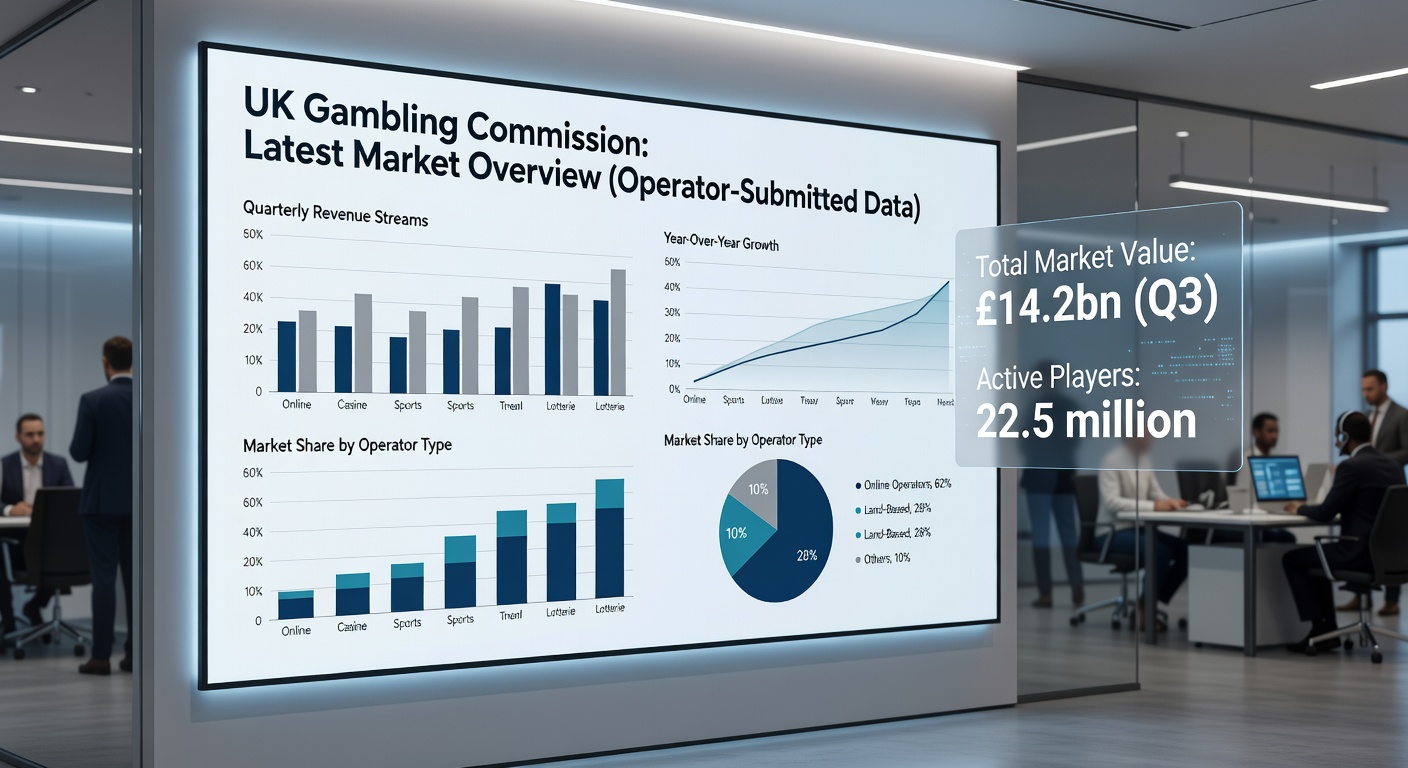
Those monitoring industry practices point out that seamless navigation between sports and casino offerings can accelerate movement between different gambling formats, and available statistics indicate that a small proportion of accounts generate a disproportionate share of overall revenue. Research into transaction patterns supports observations that cross-promoted content reaches users who initially arrived through sports channels, and this has led to calls for clearer separation in promotional materials. Evidence from compliance reviews shows that operators face increasing requirements to track and report such transitions, especially ahead of major tournaments when activity volumes rise.
Concentrated Spending Patterns Among UK Gamblers
Available data on UK gambling expenditure reveals that spending remains heavily concentrated, with a limited number of participants accounting for the majority of total stakes across both sports and casino products. Analysis of account-level information demonstrates that while overall participation rates stay relatively stable, the distribution of spending follows a skewed curve where higher-frequency users drive significant portions of revenue. This concentration appears consistent across different market segments, including those focused on football events, and it intersects with the observed growth in in-play and proposition betting.
Observers tracking these trends note that participants engaging with live markets sometimes exhibit different session lengths and stake patterns compared with those using traditional pre-match options, and aggregated figures support connections between product type and expenditure distribution. Reports from the period leading into 2026 highlight that such patterns warrant continued monitoring, particularly as tournament-related activity increases. Data sources indicate that understanding these concentrations helps inform approaches to player protection without restricting broader access for the majority of moderate users.
Looking Ahead to June 2026
As preparations for the 2026 FIFA World Cup continue, stakeholders across the UK betting sector and regulatory community examine how current trends in engagement and spending might evolve during the tournament period. The combination of heightened viewing interest, shifting market preferences, and documented cross-promotion practices creates a landscape where data collection and analysis will likely play a central role in ongoing oversight. Those studying consumer behavior expect that proposition and in-play options will feature prominently once matches begin, while discussions around promotional practices remain active.
Conclusion
The reported patterns surrounding UK interest in the 2026 World Cup encompass both audience engagement metrics and evolving betting preferences, alongside attention to how operators structure promotional pathways and how spending distributes across the participant base. Information referenced in coverage of this topic underscores the interconnected nature of these elements, with data serving as the foundation for understanding developments as the tournament approaches. Further reporting will likely track these indicators through the event itself, providing additional context on participation and market dynamics.