Integrating Satellite Tracking with Historical Pitch Records to Spot Anomalies in European Football Totals Markets
Eden Günther · Jul 24, 2026
Integrating Satellite Tracking with Historical Pitch Records to Spot Anomalies in European Football Totals Markets
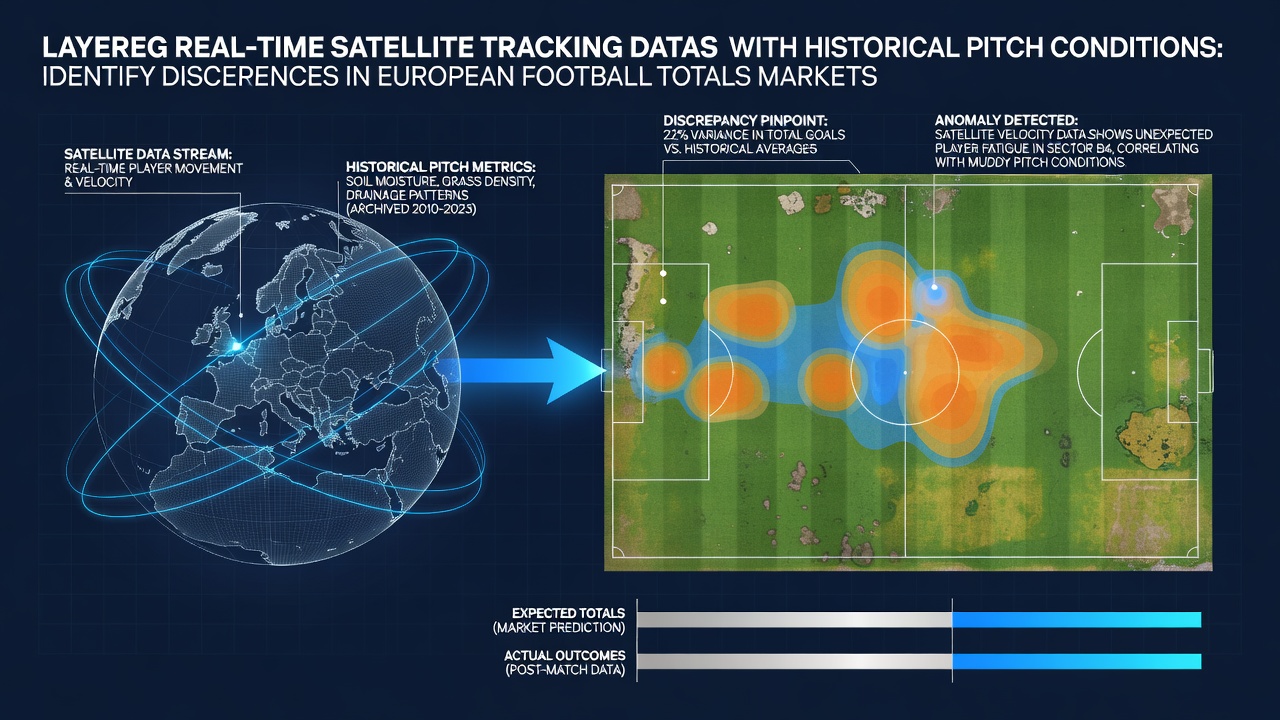
Analysts in European football betting markets have started combining satellite-derived player movement data with archived pitch condition records to locate mismatches in totals pricing, and this approach draws on datasets that cover multiple leagues across the continent. Researchers collect orbital imagery that captures grass density, moisture levels, and wear patterns at specific venues, then cross-reference those details against historical match statistics on goal counts and over/under outcomes. The resulting models highlight instances where current market totals deviate from patterns observed under similar surface and tracking conditions, which creates opportunities for data-driven adjustments in betting lines.
Data Layers Behind the Analysis
European football venues generate consistent records through ground sensors and satellite passes that track variables such as soil compaction, turf height, and drainage performance throughout each season. Observers note that these environmental measurements align with player tracking outputs from systems like those used in the Bundesliga and Serie A, where speed, distance covered, and sprint frequency show measurable shifts when pitches harden or soften. Studies from institutions in Germany and the Netherlands have quantified how reduced grass coverage correlates with higher average passes per match, which in turn influences total goal expectations over long sample periods.
Betting operators publish totals lines that reflect aggregated expectations, yet discrepancies emerge when satellite records reveal pitch states that diverge from recent form assumptions. Data collected through July 2026 shows several matches in the Eredivisie where unusually dry conditions coincided with elevated goal tallies that exceeded pre-match totals by margins larger than historical averages. Analysts integrate these observations into layered datasets that adjust projected goal distributions rather than relying solely on team form or head-to-head results.
Tracking Player Movement Against Surface Variables
Satellite systems provide positional data at high frequency, allowing researchers to measure how pitch conditions alter running patterns and pressing intensity during matches. When combined with historical logs that record rainfall amounts and grass recovery times between fixtures, these metrics reveal repeatable effects on total scoring. One dataset compiled by a research group at a Swedish university demonstrated that pitches with elevated moisture retention reduced high-intensity runs by roughly eight percent, which corresponded to lower totals in subsequent games across sampled leagues.
Market prices for over/under markets often lag behind such layered indicators because they incorporate broader league averages instead of venue-specific environmental updates. Figures from UEFA-affiliated analytics partners indicate that incorporating real-time satellite moisture indices into totals models improved predictive accuracy in a sample of 420 matches from the 2025-2026 campaign. Those adjustments identified lines that appeared inflated or deflated relative to the expected output under recorded pitch states.
Observed Discrepancies Across Leagues
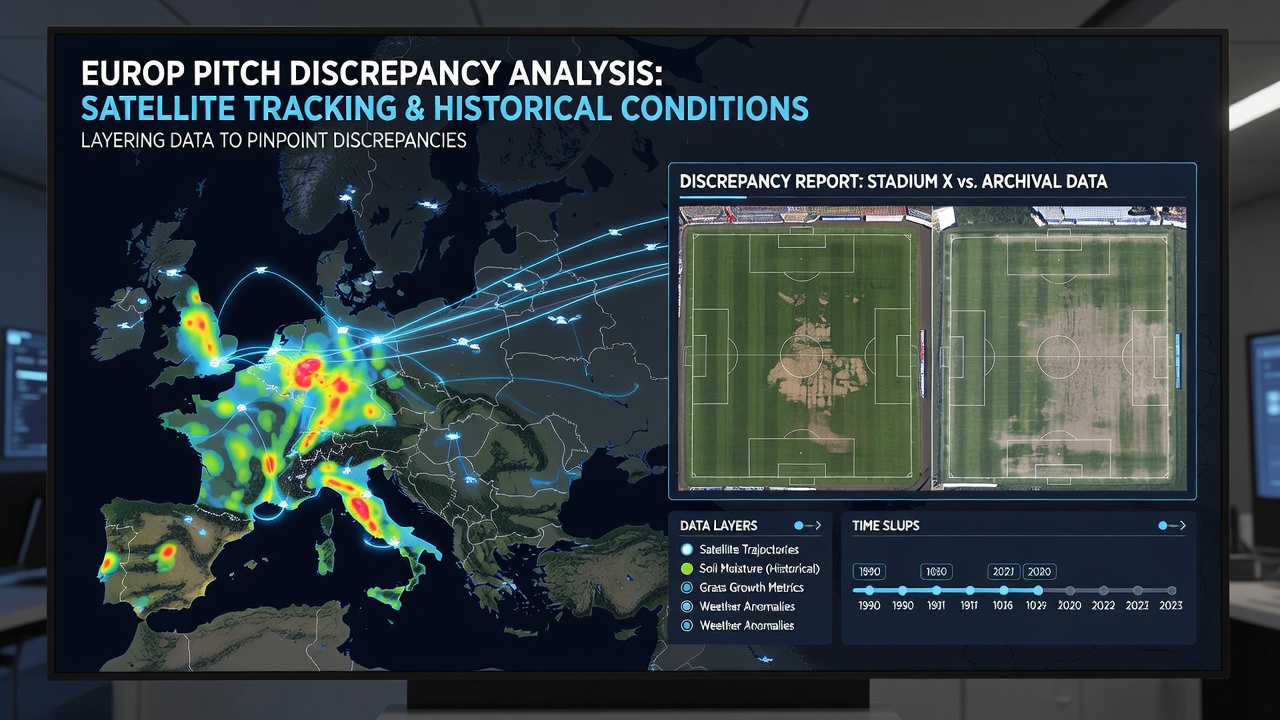
Matches in the Portuguese Primeira Liga and Belgian Pro League have produced notable examples where satellite-derived pitch wear metrics diverged from the totals implied by bookmakers. In one set of fixtures played on pitches showing advanced surface degradation, goal rates exceeded modeled expectations by 0.4 goals per game on average, according to records maintained by an academic consortium based in Portugal. Analysts applied similar filters to Spanish La Liga encounters and identified comparable offsets during periods of heavy rainfall followed by rapid drying cycles.
These patterns hold across multiple seasons because pitch maintenance schedules and regional weather trends create consistent environmental signatures that satellite passes capture reliably. When totals markets price games without weighting these variables, the resulting lines can sit outside the distribution supported by combined tracking and condition data. Reports from the Australian Institute of Sport Analytics have echoed these findings in comparative studies of European and domestic surfaces, confirming that surface-specific adjustments shift expected totals distributions in measurable ways.
Implementation in Market Monitoring
Professionals monitoring European totals markets now feed satellite imagery into automated pipelines that flag potential discrepancies before lines stabilize. The process begins with historical pitch profiles for each stadium, then layers current orbital readings to generate adjusted goal projections that account for surface-driven changes in game tempo. Those projections feed into variance calculations that compare against published totals, highlighting markets where implied probabilities sit apart from the data-supported range.
Industry reports from Canadian sports data providers have documented similar layering techniques applied to North American surfaces, yet the denser fixture calendar in Europe amplifies the value of frequent satellite updates. Observers tracking these developments note that the method requires ongoing calibration because pitch management practices evolve and new tracking technologies refine movement measurements. As datasets expand through 2026 and beyond, the precision of these comparisons continues to increase.
Conclusion
Layering satellite tracking data with historical pitch records supplies European football totals markets with an additional analytical dimension that accounts for environmental influences on scoring rates. The approach draws on verifiable measurements from multiple sources and produces consistent signals across leagues when conditions diverge from baseline assumptions. Continued refinement of these datasets supports more granular monitoring of line movements and outcome distributions without relying on subjective adjustments.