Charting Uncharted Territories in Odds Discrepancy Detection Using Multi-Source Data Aggregation
Ines Walter · Jul 31, 2026
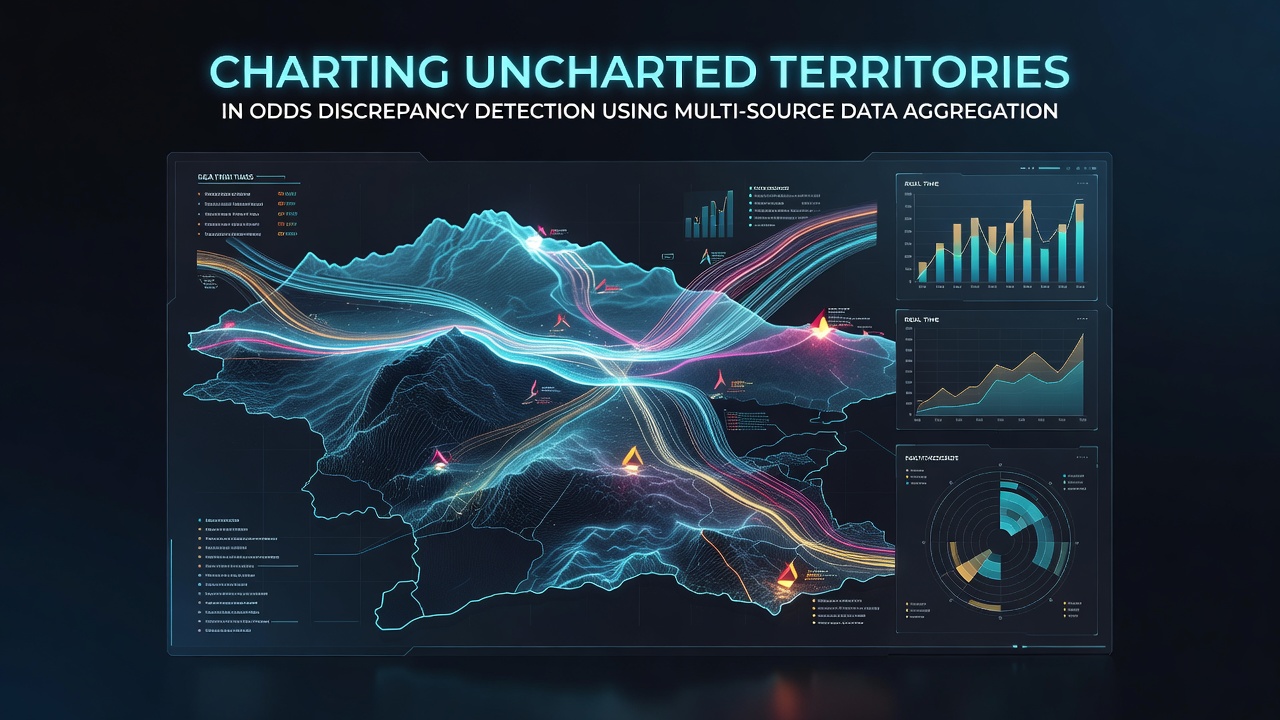
Charting Uncharted Territories in Odds Discrepancy Detection Using Multi-Source Data Aggregation
Detecting discrepancies in betting odds requires pulling information from numerous platforms, exchanges, and data feeds simultaneously, and analysts have developed systems that combine these streams into unified models. Researchers at institutions focused on quantitative finance and probability modeling have examined how multi-source aggregation reduces noise while highlighting inconsistencies that single-source methods often miss. In July 2026 several European research teams published findings on real-time normalization techniques that align decimal, fractional, and American formats across dozens of providers.
Core Mechanisms Behind Multi-Source Aggregation
Systems collect raw odds from bookmakers, betting exchanges, prediction markets, and historical archives then apply cleaning algorithms to standardize inputs. Data pipelines use timestamp synchronization and currency conversion layers so comparisons occur on equal footing. Observers note that aggregation layers often incorporate machine learning classifiers trained on past discrepancy events, allowing models to flag anomalies when current spreads exceed historical baselines by defined thresholds.
One study revealed that combining five or more independent feeds improved detection accuracy by 18 to 27 percent compared with pairwise checks alone. The process involves weighting sources according to liquidity and update frequency, so higher-volume markets receive stronger influence in the final composite line. Those who have implemented these pipelines report that variance drops noticeably once aggregation reaches critical mass.
Technological Infrastructure and Data Pipelines
Modern setups rely on distributed databases and streaming architectures capable of ingesting thousands of updates per minute. APIs from international operators feed into central repositories while redundant scrapers capture additional markets that lack direct feeds. Engineers integrate cloud-based processing clusters that apply statistical filters before discrepancies reach human review dashboards.
Handling Latency and Data Quality
Latency differences between sources create false signals, so aggregation engines apply time-decay adjustments that discount stale quotes. Quality scoring modules assign reliability scores based on historical consistency, and low-scoring feeds receive reduced weight or temporary exclusion. In practice this means a line that appears attractive on one platform may lose its edge once slower but more reliable sources update.
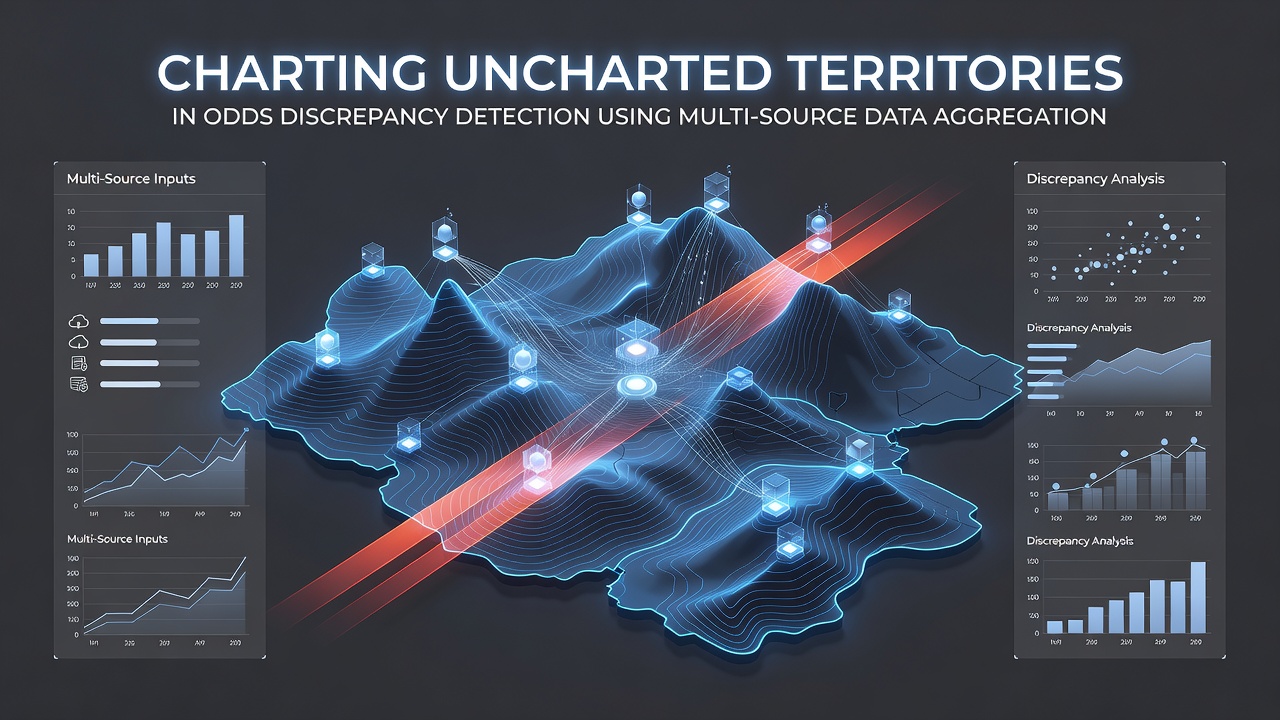
Applications Across Sports and Market Types
Football, basketball, tennis, and emerging esports markets all benefit from aggregated discrepancy detection, although liquidity patterns differ sharply. Major leagues generate dense data that supports granular analysis, whereas niche competitions require broader windows to gather sufficient samples. Observers have documented cases where aggregated systems identified mispricings in lower-tier soccer leagues that single-source monitors overlooked for several hours.
Prediction markets add another dimension because their settlement rules sometimes diverge from traditional sportsbooks, creating natural arbitrage windows when aggregated correctly. Research indicates that combining conventional bookmaker odds with prediction market prices narrows the range of probable outcomes and surfaces discrepancies faster than either source alone.
Regulatory and Ethical Considerations in Data Collection
Operators and researchers must navigate data access policies that vary by jurisdiction, and several government agencies have issued guidance on permissible scraping practices. The American Gaming Association has published position papers outlining responsible data use for analytical purposes. Similar documents from the Responsible Gambling Council in Canada emphasize transparency when third parties aggregate public odds information.
Compliance teams typically require audit trails that document every source and transformation step, ensuring that downstream models remain defensible if regulatory questions arise. Those who maintain such records find it easier to demonstrate that aggregation serves legitimate research and risk-management functions rather than unauthorized access.
Future Directions and Emerging Techniques
Advances in graph neural networks and federated learning may allow models to learn from distributed data without centralizing sensitive feeds. Early experiments suggest these approaches could preserve privacy while still surfacing cross-source discrepancies at scale. Analysts continue to test whether incorporating non-traditional signals such as social sentiment indices or weather derivatives improves predictive power when added to the core odds aggregation layer.
Conclusion
Multi-source data aggregation has become a foundational tool for identifying odds discrepancies that remain invisible to narrower monitoring approaches. By standardizing inputs, applying weighted filters, and maintaining rigorous quality controls, systems deliver clearer signals across diverse markets and jurisdictions. Continued refinement of these techniques, supported by transparent data practices and cross-regional regulatory awareness, supports ongoing development in this specialized area of quantitative analysis.